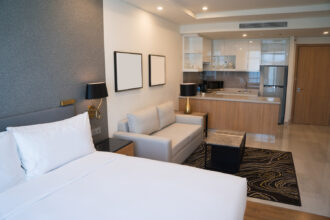

Alabaster Walls with Pure White Trim
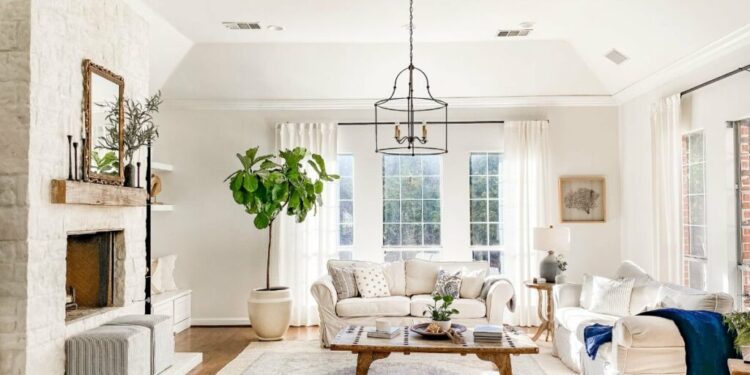
Alabaster walls combined with Pure White trim stand out as one of the most timeless color combinations in modern homes. Sherwin-Williams named Alabaster their Color of the Year in 2016, and it has managed to keep its popularity with designers and homeowners. This warm white paint has an LRV (Light Reflectance Value) of 82 and reflects much light back into rooms. It serves as a softer option compared to stark whites.
Sherwin Williams Alabaster walls (SW 7008) reveal their subtle yellow undertones that create depth and character in spaces when combined with Pure White trim. This balanced white adapts well because it stays consistent in different lighting conditions, making it perfect for rooms of all types. On top of that, it works beautifully both inside and outside your home, especially when you have stucco and siding that need a gentle warmth. This pairing creates the perfect foundation for room-by-room design decisions for homeowners who want a sophisticated yet approachable look.
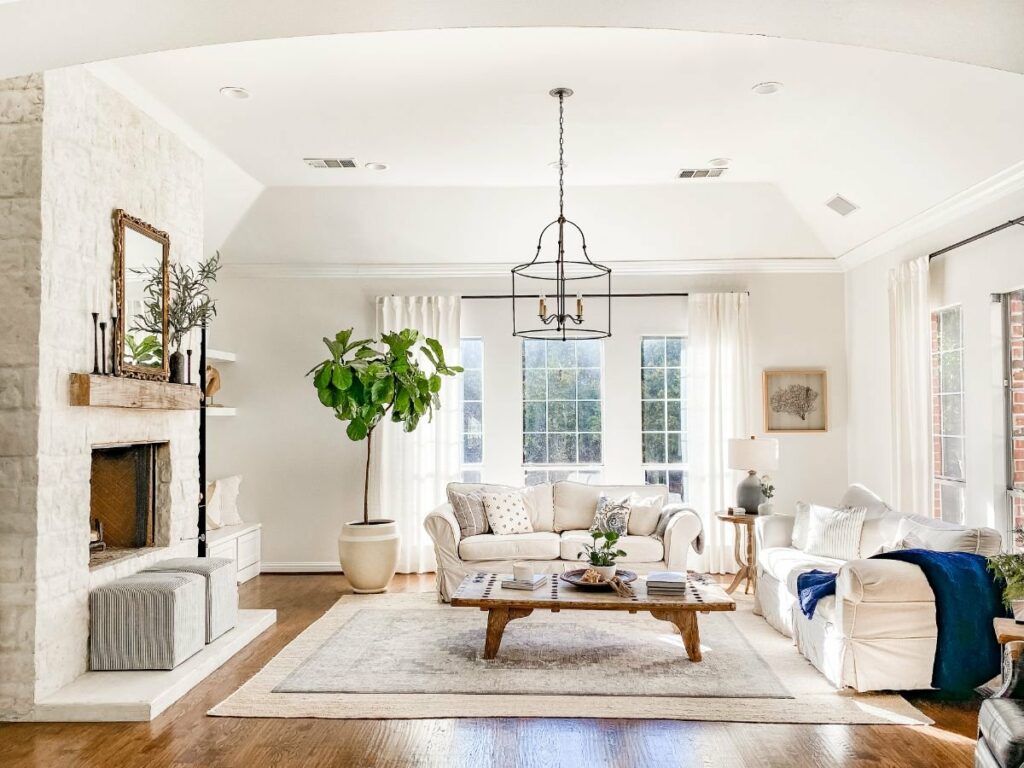
Table of Contents
- 1 Understanding Alabaster and Pure White Together
- 2 Living Room Alabaster Walls with Pure White Trim
- 3 Kitchen and Dining Room Applications
- 4 Bathrooms and Bedrooms: Soft and Serene
- 5 Whole-Home and Open Concept Use
- 6 Here are some FAQs about alabaster walls with pure white trim:
- 6.1 Does pure white trim go with Alabaster walls?
- 6.2 What colors compliment Alabaster by Sherwin Williams?
- 6.3 Is pure white too white for trim?
- 6.4 What baseboard color goes with Alabaster?
- 6.5 Why do painters not use pure white?
- 6.6 What colors does Alabaster pull?
- 6.7 What is Joanna Gaines’ favorite trim color?
- 6.8 Should baseboards be lighter or darker than walls?
- 6.9 Is alabaster a cool or warm paint color?
Understanding Alabaster and Pure White Together
Alabaster and Pure White create a timeless combination that adds depth to any space. These Sherwin Williams colors might look similar at first, but their subtle differences make them perfect partners throughout your home.
What makes Alabaster (SW 7008) unique
Sherwin Williams Alabaster sits right between white and cream. It’s not purely white, but it doesn’t look obviously yellow either. You can use this balanced neutral in homes of all styles. The color has warm undertones with hints of yellow that are muted enough to keep it from looking too creamy.
Alabaster’s LRV (Light Reflectance Value) is 82, which puts it at the lower end of the white spectrum. This number shows how much light bounces off the color. The paint feels airy but won’t give you that harsh, reflective look. Even rooms with little natural light benefit from Alabaster’s gentle warmth.
The color changes throughout the day based on lighting. North-facing rooms make it look cooler and crisper. Spaces filled with natural light bring out its warm side. This adaptable nature makes Alabaster a great choice for both modern and traditional homes.
Why Pure White is a popular trim choice
Pure White (SW 7005) has become one of Sherwin Williams’ top picks for trim. Many whites look different as lighting changes, but Pure White stays consistent all day.
Pure White’s LRV of 84 makes it slightly brighter than Alabaster. Colors with an LRV between 73-82 are off-whites, while those 83 and above are true whites. This puts Pure White squarely in the white category.
The color works so well as trim because it looks clean without being cold. You’ll notice its subtle cool undertones only in certain lights. This neutral quality helps it blend perfectly with Alabaster walls and creates clean lines without harsh contrasts.
How undertones and LRV affect the pairing
The small differences between these colors create a beautiful harmony that shows off architectural details. Pure White has tiny hints of yellow that you can barely see, but they add just enough warmth to keep the color from feeling sterile. Alabaster leans more toward creamy beige with possible hints of pink or brown.
Their LRV difference of just 2 points creates a subtle but noticeable contrast. Walls and trim look distinct without dramatic divisions. Color expert Lori Sawaya says colors need a chroma difference of at least .20 to work together without looking dingy. Alabaster’s .66 chroma and Pure White’s .44 make them great partners.
Light exposure changes how these colors work together. South-facing rooms and afternoon western sun make Alabaster look warmer and creamier. Pure White picks up some warmth too, but not as much as Alabaster. This combination works great for:
- Creating architectural definition without harsh transitions
- Boosting room brightness while keeping visual warmth
- Building a versatile foundation that matches various decor styles
This pairing gives homeowners both unity and contrast – key elements that make interiors look amazing.

Living Room Alabaster Walls with Pure White Trim
The living room stands at the heart of most homes, so picking the right paint color is vital for this gathering space. Alabaster walls with Pure White trim set up a welcoming backdrop that strikes the perfect balance between warmth and brightness, giving you both style and practicality.
Creating a cozy yet bright space
Many homeowners want a living room that feels open yet welcoming. The Alabaster (SW 7008) and Pure White combination delivers amazing results. Alabaster walls let colorful accessories shine without stealing the show. Your decorative pieces naturally pop against this warm white canvas.
South-facing rooms or spaces with afternoon western sun make Alabaster walls look a bit creamier, which adds to their cozy feel. The Pure White trim soaks up some warmth too, but not as much as Alabaster. This subtle difference highlights your room’s architectural features beautifully.
Real homeowners say Pure White trim makes old baseboards and door frames look brand new. The warm undertones in Alabaster also make evening activities like movie nights feel extra cozy.
Best furniture and decor pairings
Alabaster works with many design styles. Interior designer Kathy Kuo says this warm white “makes for a lovely backdrop to any number of design styles, lending itself nicely to styles like coastal beach, French country, and modern farmhouse”. You’ll love how these paint colors stay relevant whatever your decor style becomes.
These furnishing tips work great with Alabaster walls and Pure White trim:
- Mix in natural materials like wood, leather, or linen that complement Alabaster’s warmth
- Add subtle contrast with darker or vibrant colored throw pillows
- Place indoor plants against the neutral backdrop
- Hang rich, colorful artwork that stands out against Alabaster walls
Designer Artem Kropovinsky suggests using Alabaster “as a base color to create a serene and easy backdrop.” He notes how well it shows off architectural features. Color experts agree that “nothing makes colorful artwork and decor pop and stand out like white walls”.
Lighting considerations for large vs small living rooms
Light changes how Alabaster walls and Pure White trim look in different-sized spaces. Large living rooms benefit from Alabaster’s high Light Reflectance Value (LRV) of 82, which bounces light back into the room and creates a bright, open feel.
Small living rooms really shine with this reflective quality. Design experts suggest adding mirrors strategically to bounce light around and boost Alabaster’s brightness. This trick makes small spaces feel bigger while keeping that warm, inviting vibe that makes Alabaster so popular.
Evening lighting needs special attention too. Alabaster lighting fixtures cast a soft glow that turns spaces into “an elegant haven of calm and sophistication”. Try these lighting ideas:
- Large open-plan living rooms look great with a statement alabaster chandelier
- Reading nooks feel cozy with alabaster table lamps
- Dimmers let you adjust alabaster fixture brightness throughout the day
Alabaster walls with Pure White trim look stunning in both small and large living spaces. This combination keeps its balanced character no matter the room size or lighting condition. Homeowners looking for lasting appeal and versatility will find this an excellent choice.
Kitchen and Dining Room Applications
Alabaster and Pure White excel at solving the unique color challenges in kitchens and dining rooms. These spaces need colors that can handle heavy traffic while balancing function and beauty.
Alabaster kitchen cabinets vs walls
Sherwin Williams Alabaster (SW 7008) shows different characteristics based on its location in kitchen spaces. This color creates an excellent neutral foundation for cabinets that works with almost any countertop material. The color’s Light Reflectance Value (LRV) of 82 bounces plenty of light around the room, yet retains enough depth to avoid the harsh glare you often see with pure white cabinets.
Alabaster walls behind cabinetry provide a gentle backdrop that makes cabinet details pop. Many designers suggest using Alabaster throughout the space but with different finishes—a satin finish for cabinets and eggshell for walls creates subtle depth. Small kitchens benefit from this approach since strong contrasts might overwhelm the space.
Pairing with countertops and backsplashes
Alabaster really shows its versatility when combined with different countertop materials:
- Warm granite brings out Alabaster’s creamy qualities, creating an inviting atmosphere perfect for traditional kitchens
- White and gray quartz delivers clean, modern contrast that suits contemporary designs
- Butcher block and wood countertops add warmth and texture that align with Alabaster’s cozy undertones
Alabaster cabinets give you plenty of options for backsplashes. You might choose glossy subway tiles or marble for a classic look that highlights the cabinets’ warm undertones. Bold homeowners can opt for dark granite or deep blue/green tile backsplashes to create dramatic contrast.
Using Pure White for ceiling and trim contrast
Pure White trim defines kitchen spaces with Alabaster elements beautifully. This combination helps connect alabaster cabinets with other white elements like appliances. Pure White works best on both ceiling and trim to keep the space consistent.
Different sheens can add interest without introducing new colors. A professional designer puts it this way: “SW Pure White on ceilings and trim will be fine. Though for the trim I would recommend SW Pro-Classic in semi-gloss, rather than a satin”. This creates subtle dimension while maintaining color harmony.
Small kitchens feel more open with this bright yet warm combination. One homeowner’s experience captures it perfectly: “the space looks so clean and bright. Before, her yellow walls made everything feel cramped and dated”.
Bathrooms and Bedrooms: Soft and Serene
Paint colors in private spaces like bathrooms and bedrooms just need to create a peaceful and comfortable feel. Alabaster walls paired with Pure White trim work great in these intimate areas. They look good and serve a practical purpose too.
Why Alabaster works well in low-light bathrooms
Bathrooms don’t deal very well with limited natural light. But Alabaster (SW 7008) handles this challenge beautifully. Its high Light Reflectance Value of 82 helps maximize available light and makes your bathroom feel bright and open. This reflective quality makes Alabaster perfect for small bathrooms where you want to make the space feel bigger.
You should know one thing about using Alabaster in bathrooms. Sometimes it can look slightly yellow next to stark white fixtures. The solution is simple – pair it with fixtures in warmer finishes like brass or matte black to create a more unified look.
Warm whites like Alabaster give bathrooms a timeless backdrop that stays stylish as design trends change. Homeowners looking for lasting design choices will find this a smart investment.
Pure White trim with warm tile and fixtures
Pure White trim adds subtle definition against Alabaster walls and creates architectural interest without harsh transitions. This combination looks great with warm-toned bathroom tiles and fixtures, making everything blend perfectly.
Your luxury bathroom could include these combinations:
- Alabaster walls with Pure White trim among marble countertops and polished nickel hardware
- Warm wood accents with black fixtures against Alabaster to create a fresh, balanced look
- Natural stone tiles in earth tones to boost Alabaster’s subtle warmth
Creating a calming bedroom with Alabaster walls
Your bedroom should be your sanctuary, so colors that help you relax matter a lot. Alabaster walls will give you the perfect backdrop for restful sleep. The soft warmth makes spaces feel cozy yet sophisticated.
Alabaster’s warm undertones help promote relaxation and calm. That’s why it’s perfect to create a peaceful sanctuary. Designers often recommend it for master bedrooms and guest rooms.
To make the most of Alabaster’s serene qualities in bedrooms, try pairing it with complementary colors. Sea Salt (SW 6204), a soft blue-gray-green, adds to the spa-like feeling. Clary Sage (SW 6178) creates a natural vibe with Alabaster walls that brings the outdoors in without overwhelming the space.
Alabaster keeps its gentle warmth even in bedrooms with limited natural light. Whatever your bedroom’s exposure or size, Alabaster walls with Pure White trim will create your perfect retreat from daily stress.
Whole-Home and Open Concept Use
Modern homeowners can create remarkable visual harmony by extending the Alabaster and Pure White combination through multiple rooms with flowing spaces. This strategic pairing works well for traditional and contemporary floor plans.
Using Alabaster and Pure White in open floor plans
This versatile color duo brings great benefits to open concept designs. Whites and cream colors provide a relaxed, peaceful foundation for common areas in modern homes with flowing layouts. The combination of Alabaster walls with Pure White trim lets the eye travel smoothly across different functional zones and prevents visual choppiness that might break up spacious designs.
Rooms feel by a lot larger and airier when homeowners apply SW Alabaster throughout connected spaces. It also allows natural focal points to emerge from architectural features like staircases, banisters, and flooring against the neutral backdrop.
Color-drenching with sheen variation
Color-drenching creates sophisticated continuity throughout spaces by painting walls, trim, and ceilings the same color. This technique amplifies Alabaster’s warmth while keeping its brightness. Different sheens make the magic happen: eggshell for walls, satin or semi-gloss for trim, and flat for ceilings.
Light bounces differently off each surface with this sheen strategy, which creates subtle dimension without competing colors. Alabaster color-drenching makes maintenance easier since touch-ups become simpler without the need to match colors precisely between different elements.
When to use the same color for walls and trim
Similar colors for walls and trim work best in specific situations. This approach creates a more cohesive visual experience by softening angles in open areas. Spaces feel larger because there are no visual disruptions to segment the room.
Areas with substantial trim work like wainscoting, crown moldings, or multiple door frames look unified when using Alabaster throughout, which prevents a choppy appearance. This technique adds drama with darker, more saturated colors, but Alabaster’s gentle warmth creates a sophisticated, raised esthetic without overwhelming the space.
Alabaster walls combined with Pure White trim without doubt create one of the most versatile color combinations in modern homes. This pairing adapts well to different rooms and lighting conditions. Homeowners looking for timeless appeal will find it a worthwhile investment. The subtle contrast between Alabaster’s warm undertones and Pure White’s cleaner finish boosts architectural details naturally.
This color duo provides a perfect backdrop for furniture and decor in design styles of all types – from coastal beach to modern farmhouse. Kitchens and dining areas look stunning with this pairing on cabinets, walls, or trim. The combination works beautifully with different countertop materials and backsplashes to create spaces that feel cohesive yet interesting.
Bathrooms and bedrooms become serene retreats with these colors. Alabaster’s high light reflectance value brightens dark bathrooms, while its warm undertones promote relaxation in bedrooms. Pure White trim adds perfect definition without overwhelming these calm spaces.
Open-concept homes shine with this color strategy. Using Alabaster and Pure White throughout connected spaces creates visual harmony. Rooms feel larger and airier. Different sheens highlight architectural features without competing elements.
This classic combination gives homeowners immediate and lasting benefits. The colors complement changing design trends and new furniture pieces. Their appeal stays fresh through seasons and years. Alabaster walls with Pure White trim ended up delivering what homeowners want – a sophisticated, timeless foundation that feels fresh, warm, and welcoming.
Here are some FAQs about alabaster walls with pure white trim:
Does pure white trim go with Alabaster walls?
Yes, pure white trim goes beautifully with Alabaster walls, creating a classic and crisp contrast. This combination of alabaster walls with pure white trim is a popular choice for achieving a clean, bright, and timeless look in any room.
What colors compliment Alabaster by Sherwin Williams?
Many colors compliment Alabaster by Sherwin Williams, including soft grays, navy blues, and warm earth tones. When you have sherwin williams alabaster walls with pure white trim, these complementary colors can be introduced through furniture, artwork, and accessories to create a cohesive space.
Is pure white too white for trim?
Pure white is not too white for trim, especially when paired with a soft white like Alabaster on the walls. The combination of sw alabaster walls with pure white trim creates a subtle and sophisticated variation that adds depth and interest without being stark.
What baseboard color goes with Alabaster?
A pure white baseboard color goes excellently with Alabaster walls for a clean, defined look. This approach of using pure white trim with alabaster walls on the baseboards creates a seamless flow with other white trim elements like doors and windows.
Why do painters not use pure white?
Some painters may avoid pure white because it can appear too stark or clinical in certain lighting conditions. However, when used specifically as pure white trim with alabaster walls, it provides the perfect crisp accent against the softer, warmer wall color.
What colors does Alabaster pull?
Alabaster pulls subtle warm undertones, appearing as a soft, creamy white rather than a stark white. In a living room alabaster walls with pure white trim setting, these warm undertones become more apparent and create an inviting atmosphere.
What is Joanna Gaines’ favorite trim color?
Joanna Gaines frequently uses pure white trim in her designs to create contrast and definition. Her preference aligns well with the popular look of sherwin williams alabaster walls with pure white trim that many homeowners find appealing.
Should baseboards be lighter or darker than walls?
Baseboards are typically lighter than walls, with white being the most traditional and popular choice. The combination of alabaster walls with pure white trim follows this design principle perfectly, creating a clean transition between wall and floor.
Is alabaster a cool or warm paint color?
Alabaster is considered a warm paint color due to its subtle creamy and beige undertones. This warmth becomes especially noticeable in a setting with sw alabaster walls with pure white trim, where the contrast makes both colors stand out beautifully.