
Adrenal Fatigue: Recognizing Symptoms and Embracing Lifestyle Changes for Enhanced Resilience

Table of Contents
Understanding the Concept of Adrenal Fatigue
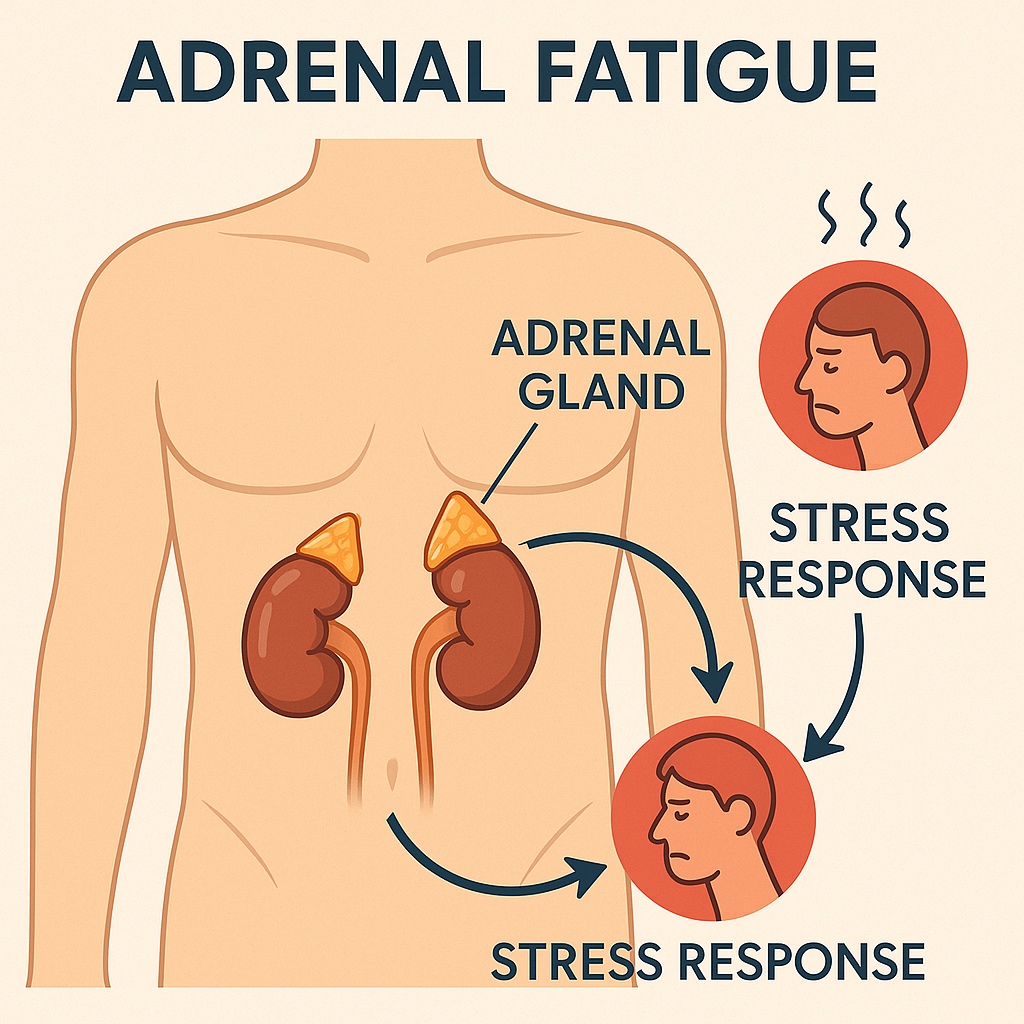
Adrenal health plays a crucial role in how the body responds to stress and maintains energy throughout the day. When the adrenal glands are overworked or consistently stimulated by chronic stress, the body may experience prolonged feelings of fatigue, difficulty concentrating, and disrupted sleep patterns. While not officially recognized as a medical diagnosis, many healthcare practitioners observe a pattern of symptoms that suggest the adrenals are struggling to meet daily demands. Understanding these signs early can help individuals make lifestyle adjustments, such as improving sleep, managing stress, and optimizing nutrition, to support overall hormonal balance and energy levels.
For those experiencing persistent exhaustion, consulting a healthcare professional about specialized support options can be beneficial. Approaches like tired adrenals treatment includes strategies to restore adrenal function, support stress management, and improve energy regulation. Integrating these practices alongside a balanced diet, regular exercise, and adequate rest can help the body recover gradually, leading to more sustained vitality and well-being over time.
Common Symptoms Attributed to Adrenal Fatigue
People who suspect they have adrenal fatigue often report a cluster of vague but disruptive symptoms, including:
- Chronic fatigue, even after sleeping adequately
- Difficulty getting out of bed in the morning
- Heightened dependency on caffeine or other stimulants
- Intense cravings for salty or sugary foods
- Unexpected weight shifts
- Decreased stress tolerance or increased irritability
In addition to these commonly cited issues, some individuals notice symptoms such as low motivation, mild depression, difficulty focusing, muscle weakness, headaches, or digestive disturbances like bloating or constipation. These symptoms are non-specific and can be seen in a variety of physical and mental health conditions. For many, this overlap highlights the importance of receiving a proper diagnosis and guidance from a qualified healthcare provider. The underlying issue may be linked to lifestyle stressors, sleep issues, infections, or undiagnosed medical illnesses, meaning a individualized assessment is critical.
Many people are frustrated by a lack of clear answers and may spend months or even years searching for an explanation. This can lead to trial and error with supplements, fad diets, or alternative therapies that are not always evidence-based. While seeking relief is understandable, it is crucial to keep an open mind and to engage with medical professionals who can help rule out more concrete causes and provide appropriate care strategies.
Medical Perspective on Adrenal Fatigue
From a scientific perspective, extensive research does not support the existence of adrenal fatigue as a distinct medical condition. The consensus in conventional medicine is that although stress can affect the body—sometimes disrupting hormone production or causing physical symptoms—it rarely leads to the adrenal glands ‘burning out.” Genuine adrenal disorders like Addison’s disease or Cushing’s syndrome are uncommon and are diagnosed through specific blood and urine tests that measure cortisol and other hormones.
The medical community emphasizes that ignoring other potential causes, such as depression, sleep apnea, anemia, or thyroid issues, can delay effective treatment. Professional evaluation is crucial for achieving lasting improvement and preventing the concealment of underlying health issues. If untreated, some conditions can worsen or become harder to manage, making accurate diagnosis as important as symptom management.
While stress is known to trigger various physical and mental symptoms, it’s reasonable to seek ways to reduce its effects on the body. A healthcare provider can help develop a personalized plan that effectively distinguishes between similar or confusing symptoms.
Effective Lifestyle Changes for Enhanced Resilience
Regardless of the terminology, taking steps to address symptoms commonly associated with adrenal fatigue often leads to improved vitality and resilience. The medical community widely supports the following lifestyle changes, which can positively affect overall well-being, even if they do not specifically target the adrenal glands. Instead, these changes can help to regulate stress responses, enhance energy, sharpen mental clarity, and promote long-term health.
1. Prioritize Quality Sleep
Establish healthy sleep hygiene by keeping a regular schedule for both bedtime and wake-up time. Limit exposure to screens and bright lights in the hour before bed, minimize noise and distractions in the bedroom, and establish a nighttime routine that promotes relaxation and sleep. Aim for seven to nine hours of restorative sleep whenever possible, as ongoing sleep deprivation can undermine both mental and physical resilience. Sleep is also a key driver of immune function and metabolic health, making it essential for energy recovery.
2. Manage Stress Effectively
Chronic stress can wreak havoc on both mental and physical health, increasing inflammation and weakening the body’s natural stress response systems. Incorporate calming activities such as meditation, deep breathing, yoga, or spending time outdoors. Even short periods in nature have been shown to lower stress hormones and elevate mood. Journaling, talking with supportive friends or a counselor, and practicing mindfulness are additional ways to build resilience against everyday stressors.
3. Maintain a Balanced Diet
Eating nourishing foods helps maintain stable energy levels and supports optimal hormone balance. A healthy diet should focus on a variety of colorful fruits and vegetables, lean proteins, whole grains, and healthy fats, such as avocados and nuts. Cutting back on processed foods, sugars, and caffeine will also help prevent energy crashes and mood swings. Hydration is also essential; drink plenty of water throughout the day to support optimal cell function and reduce feelings of tiredness.
4. Engage in Regular Physical Activity
Moderate exercise can elevate mood, reduce stress, and provide lasting energy. Activities like walking, cycling, or swimming are excellent choices for most people. Aim for balance by avoiding overexertion, as intense physical activity can sometimes worsen symptoms of fatigue. Gentle movement, stretching, and regular breaks during sedentary work can help maintain steady energy and motivation levels.
5. Seek Professional Guidance
Consultation with a healthcare professional is essential. Persistent fatigue or unexplained changes should never be ignored, as they could signal a more serious health issue. A provider can suggest appropriate testing, individualized lifestyle changes, and—if necessary—medical interventions. Collaborating with a professional ensures you receive an accurate diagnosis, understand your unique needs, and avoid ineffective or potentially harmful self-treatments.
Conclusion
While “adrenal fatigue” lacks formal medical recognition, the symptoms that drive people to explore this concept are very real. By adopting science-backed lifestyle changes and seeking medical evaluation when necessary, individuals can enhance their resilience, regain vitality, and establish a sustainable foundation for overall well-being. Taking charge of your health with sensible, proven strategies and support offers the best chance of lasting improvement, leaving behind the cycle of chronic fatigue and uncertainty for a more energetic and balanced life.